
Something interesting happened to the future of work between 2020 and 2026. The future arrived, looked around, got a decent espresso, found a power outlet near a window, joined a hot-desking membership, and settled in for what is looking increasingly like a permanent stay.
The remote work revolution did not produce the atomised, lonely, work-from-your-spare-bedroom-in-your-pyjamas dystopia that some predicted. It produced something more interesting: a global ecosystem of purposefully designed working environments that are smarter, more connected, and more genuinely useful than the traditional office ever managed to be. And AI has quietly become the operating system running underneath all of it.
This is the state of remote work infrastructure in 2026. Where it is, what it looks like, and what AI is doing to make it remarkable.
The Numbers That Tell the Story
The remote and hybrid work adoption curve has stabilised into something that looks increasingly permanent. Approximately 32% of knowledge workers globally now work fully remotely. Another 47% operate on hybrid schedules. That is roughly 80% of the knowledge workforce that no longer assumes a fixed office desk as their primary working environment.
The co-working industry has responded accordingly. Global co-working space inventory has grown by over 40% since 2023. But the more interesting story is not the growth in quantity. It is the evolution in quality and capability. The co-working space of 2026 is a categorically different product from the open-plan hot-desk arrangement of 2019, and AI is a significant reason why.
What AI-Powered Co-Working Actually Looks Like
The phrase AI-powered co-working covers a range of things, from genuinely transformative to slightly gimmicky. Here is the honest breakdown of what is actually making a difference:
Smart Space Management
The most immediate AI improvement in modern co-working spaces is space management. AI systems now dynamically optimise desk allocation, meeting room booking, and resource usage based on real-time demand patterns. This sounds administrative and boring. The user experience is anything but.
You arrive. The system knows your preferences (quiet zone, standing desk, near natural light). Your spot is reserved. The room temperature is set. Your regular coffee order appears as a one-tap option on the space's app. The meeting room you habitually book every Tuesday at 10am is pre-blocked unless you cancel. The admin friction that used to eat the first twenty minutes of every working day has evaporated.
AI Concierge Services
The better co-working operators in 2026 have deployed AI concierge systems that go well beyond desk booking. Members ask these systems anything relevant to their working life: find me a freelance graphic designer who has worked with SaaS companies, what local restaurants within walking distance have private dining for a client lunch, can you schedule a 45-minute focus block before my 3pm meeting and hold all notifications, who in this space works in e-commerce and might be interested in a collaboration conversation?
The concierge layer is drawing on the space's membership database, local business integrations, and the member's own preferences and history. It is the kind of capability that used to require an actual human coordinator with an intimate knowledge of the community. AI does it instantly, at scale, for every member simultaneously.
Acoustic Intelligence
One of the genuine unsolved problems of open-plan working has always been noise. AI acoustic management systems in premium co-working spaces now use directional microphone arrays and real-time processing to create dynamic quiet zones, cancel background conversation noise from individual workstations, and signal members when noise levels in their chosen area exceed their stated threshold. The library-quiet zone that is actually quiet, on demand, without shushing anyone, is a small but meaningful quality of life improvement that members describe as one of their top-valued features.
AI-Enhanced Networking
The promise of co-working has always been serendipitous collaboration. The reality has often been a room full of people with headphones in, intensely avoiding eye contact to signal their focus. AI networking tools are changing this dynamic in interesting ways. Systems analyse member profiles, project types, and stated interests to make intelligent connection suggestions. Not intrusive pop-ups, but ambient suggestions: there are three members here this week working in your industry. Two have expressed interest in connecting. Want an introduction?
Some spaces have taken this further with structured AI-facilitated community sessions where the system identifies the most potentially valuable connections in the room and creates a structured context for them to meet. The networking event that actually produces useful connections rather than a bag of business cards you will never look at again.
The Global Landscape: Where the Best Hubs Are Emerging
Remote work infrastructure is no longer concentrated in traditional tech hubs. The geographic spread of high-quality remote work environments in 2026 tells an interesting story about where the work-from-anywhere community is actually choosing to be.
Bali, Indonesia: The Perennial Favourite, Upgraded
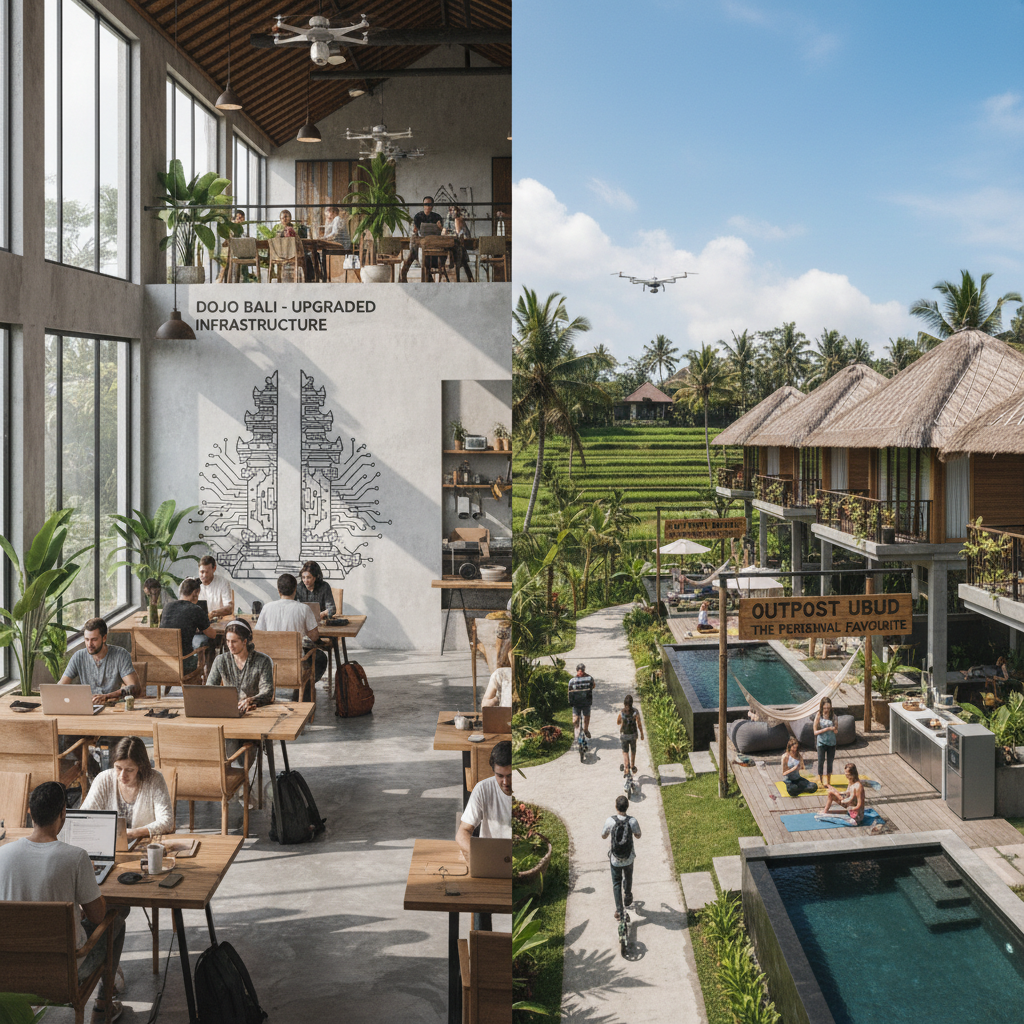
Canggu and Ubud remain the heartlands of the global digital nomad community, but the infrastructure has matured significantly. Dojo Bali and Outpost have evolved from basic co-working into full-service professional environments with reliable fibre connections, dedicated video call booths, and AI workspace management. The appeal is obvious: functional professional infrastructure in a setting where the lunch commute involves a short walk past rice paddies, and the cost of living makes London's workspace costs look like a poor comedy sketch.
Lisbon, Portugal: The European Hub of Choice
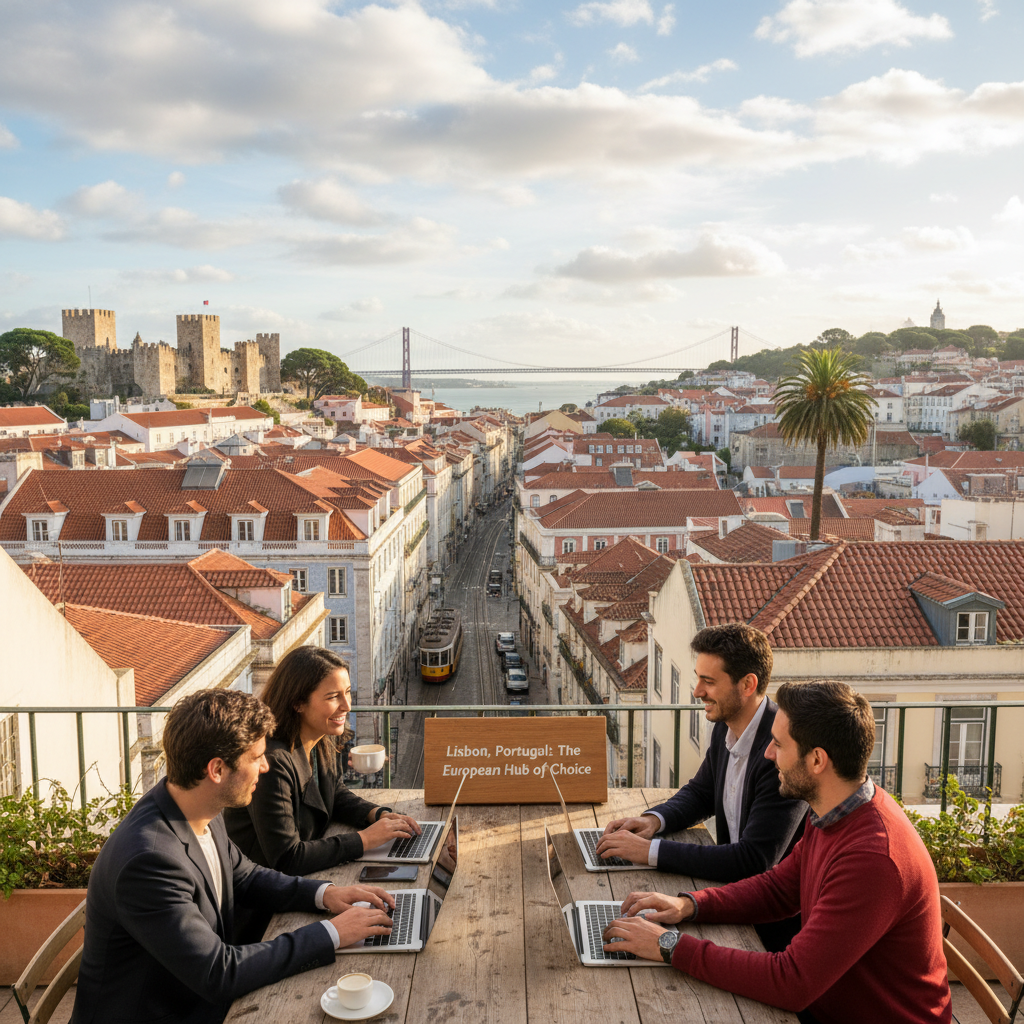
Lisbon's emergence as Europe's premier remote work destination has been rapid and well-deserved. The combination of reliable infrastructure, affordable living costs relative to Western Europe, excellent climate, English language penetration, and a genuinely welcoming culture has made it a magnet for remote workers. Second Home Lisboa and Lisbon WorkHub are among the spaces leading on AI-powered workspace features, with smart booking, community matching, and integrated service layers that make the working day genuinely frictionless.
Medellin, Colombia: Latin America's Rising Star
Medellin's transformation from one of the world's most dangerous cities to one of its most innovative is one of the more remarkable urban stories of the past two decades. For remote workers, it offers excellent connectivity, a thriving startup ecosystem, a cost of living that makes the salary differential with US or European salaries genuinely meaningful, and an increasingly sophisticated co-working infrastructure. Selina Medellin and Atom House are among the operators offering AI-enhanced experiences alongside the permanent summer climate that remains one of the city's most reliable selling points.

Chiang Mai, Thailand: The Budget Benchmark
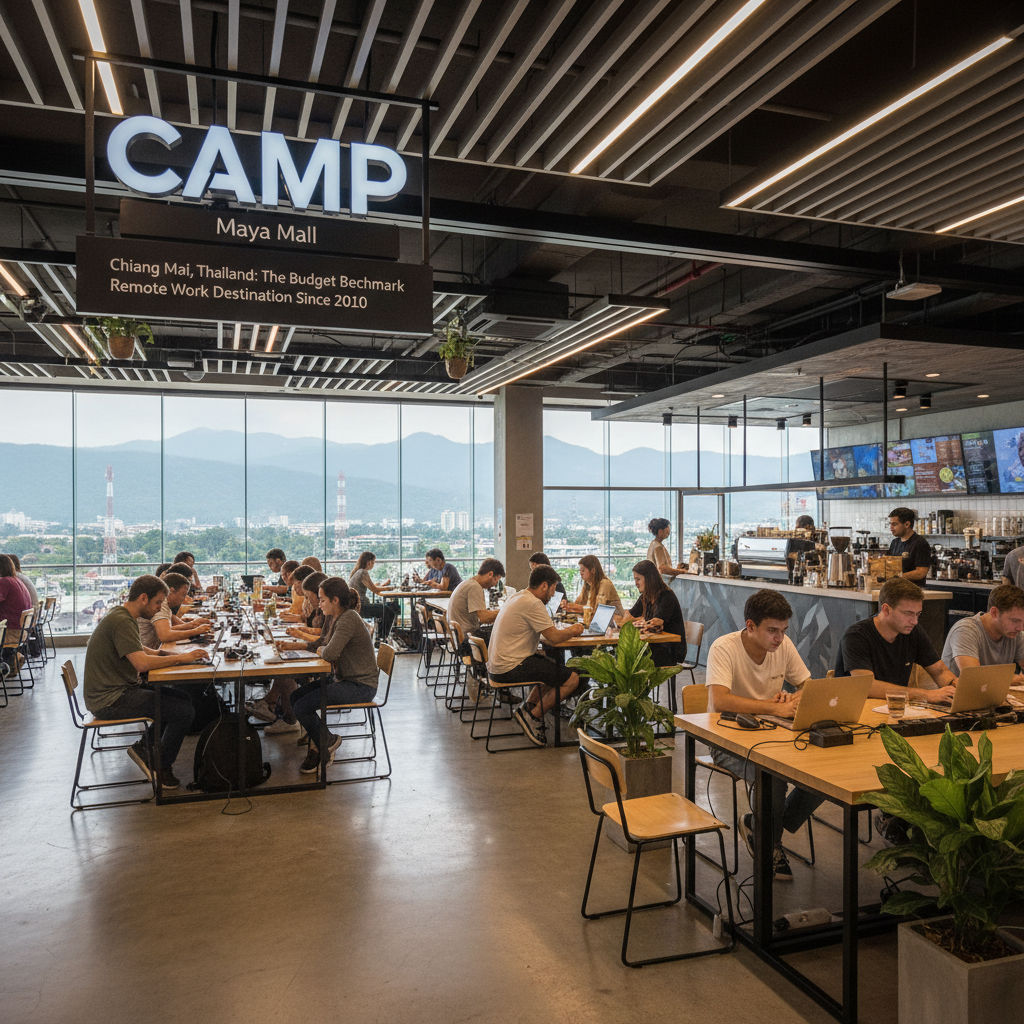
Chiang Mai has been a remote work destination for over a decade, and it shows in the maturity of its infrastructure. CAMP at Maya Mall (the original free co-working café), MANA, and Yellow are among the spaces offering reliable high-speed internet, good food, and increasingly sophisticated workspace features at price points that make them accessible to remote workers at every income level. The city has also developed a rich community infrastructure around remote work, with events, meetups, and support networks that make settling in significantly easier than in newer destinations.
Dubai, UAE: The Premium Option
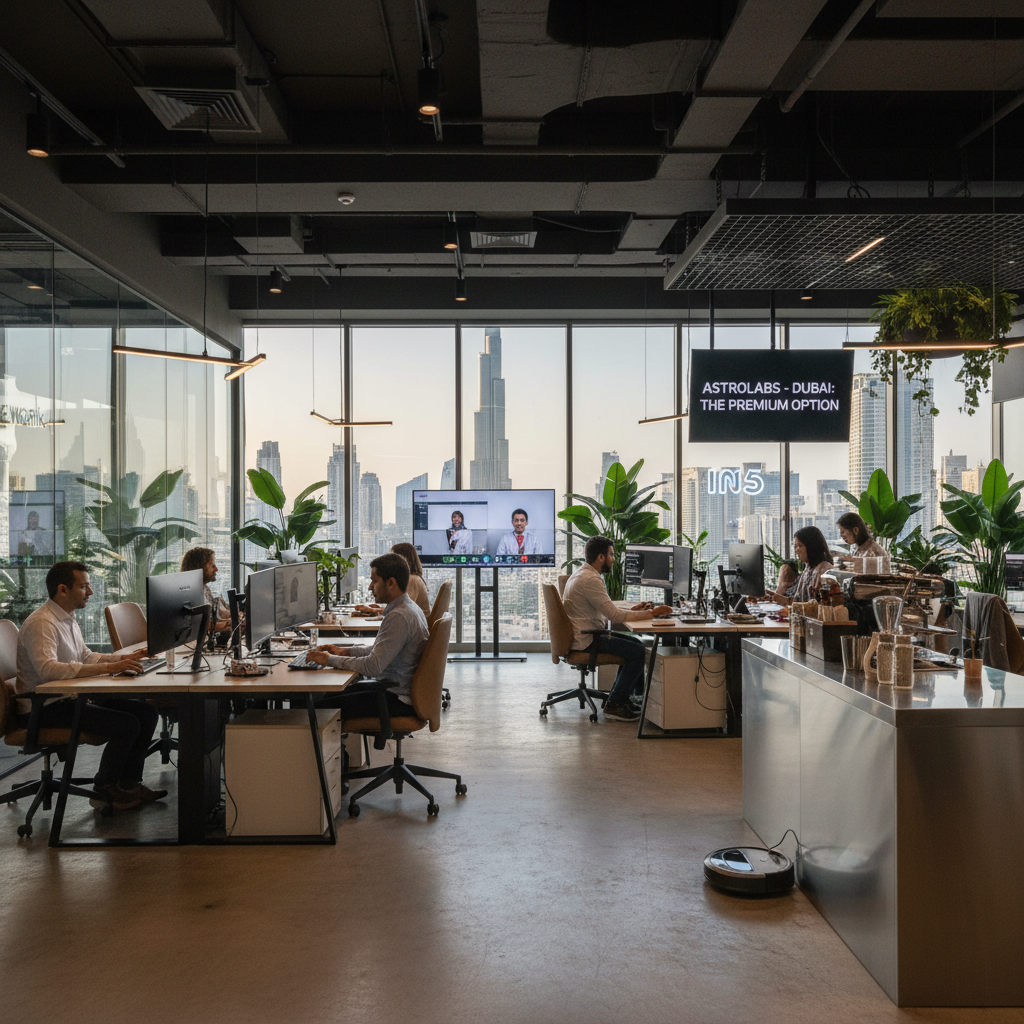
Dubai represents the premium end of the remote work hub spectrum. The co-working spaces here - Astrolabs, Wework Dubai, In5 - are among the most technically sophisticated in the world, with AI workspace management, extensive business support services, and facilities that match or exceed what most companies offer in their own offices. The trade-off is cost. Dubai is not the destination for budget-conscious remote workers. It is the destination for those who need world-class infrastructure, strategic business location, and a quality of professional environment that supports serious enterprise-level work.
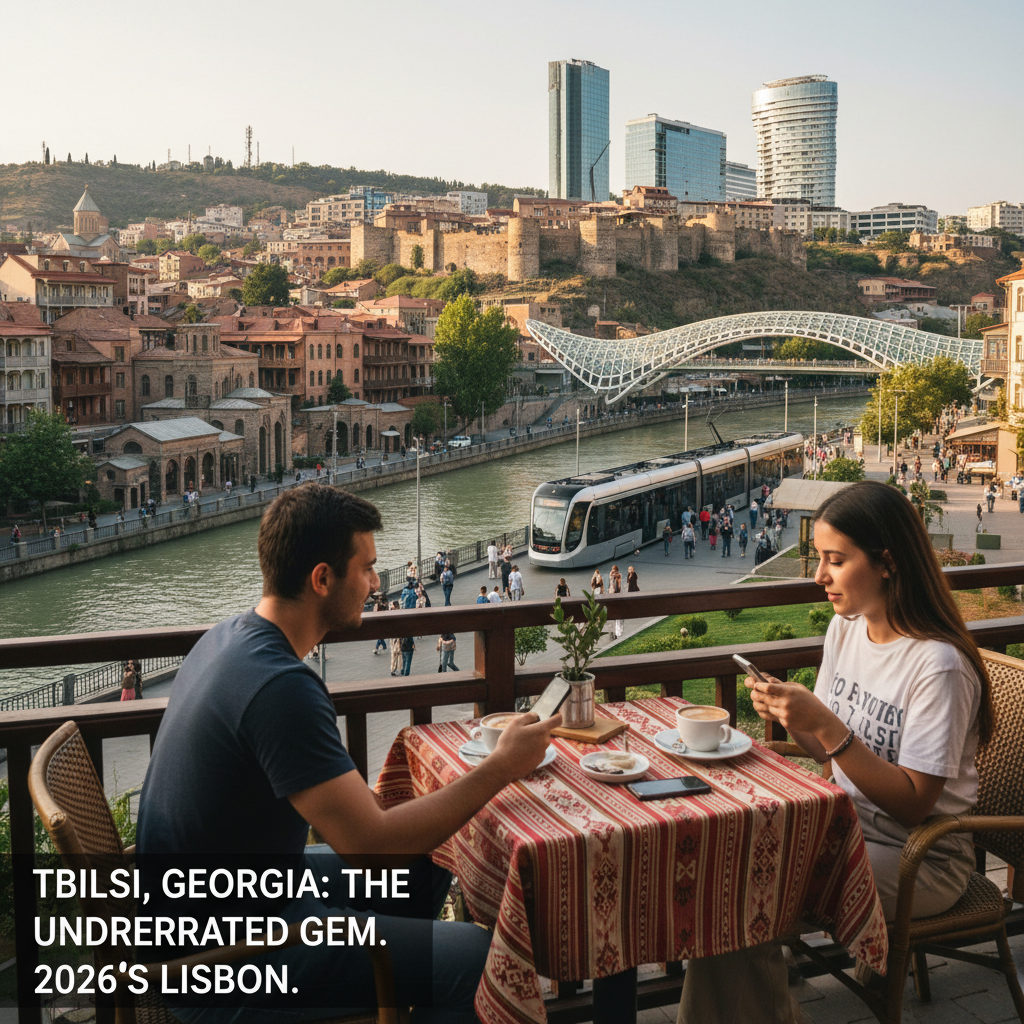
Tbilisi, Georgia: The Underrated Gem
Tbilisi is 2026's version of Lisbon in 2019: not yet crowded, significantly underpriced relative to quality, and offering a combination of excellent infrastructure (the country has invested heavily in digital connectivity), fascinating culture, very affordable living costs, and a government genuinely welcoming of remote workers. Fabrika and Spaces Tbilisi are among the operators doing interesting work in the AI workspace space. It will not stay this affordable as it becomes more widely known. Worth knowing now.
The New Co-Working Business Models
The co-working industry has evolved beyond the simple hot-desk monthly membership. The models emerging in 2026 reflect a more sophisticated understanding of what different types of remote workers actually need:
The All-Access Global Passport
Operators like Selina, WeWork Global, and Outpost now offer all-access memberships that work across multiple cities. One membership, work in Bali this month, Lisbon next month, Medellin the month after. The AI workspace management layer handles the personalisation across all locations - your preferences travel with your membership. This model has made longer-term location flexibility genuinely practical for the first time.
The Specialised Vertical Hub
Increasingly, the most interesting co-working spaces are not generic working environments but curated communities for specific professional types. Tech founder hubs. Creative industry spaces. Medical and health professional remote working environments. Legal co-working. The specialisation creates genuine professional community rather than the general-purpose working-in-proximity arrangement of traditional co-working. AI community matching is particularly valuable in these verticals - connecting members who share specialist knowledge and complementary skills.
The Neighbourhood Micro-Hub
The distributed office concept - small, neighbourhood-based working spaces closer to where people live - has matured into a genuine alternative to both home working and city-centre offices. AI management makes small spaces economically viable that would have required significant human staffing previously. A 20-desk neighbourhood hub with AI space management, digital concierge, and automated access can operate with minimal human oversight. The economics work. The locations work. The commute works (especially if it is a 7-minute walk rather than a 55-minute tube journey).
What to Look For in an AI-Powered Workspace
If you are evaluating co-working options and want to identify the genuinely AI-enhanced from the ones that put AI on their website because it sounds good, here are the signals that indicate real capability:
- Smart booking with genuine personalisation - Does the system learn your preferences and apply them proactively, or does it just let you book a desk online?
- Community intelligence features - Can the space actually help you find and connect with relevant members, or just show you a member directory?
- Environmental AI - Does the space actively manage acoustic environment, air quality, and lighting based on occupancy and member preferences?
- Integrated service layer - Can you actually get things done through the AI concierge, or does it just answer FAQs?
- Predictive availability - Does the system tell you what the space will look like tomorrow and next week, not just right now?
The Honest Assessment
The remote work hub ecosystem in 2026 is genuinely excellent in ways that the traditional office rarely managed to be. The combination of intentional design, global connectivity, and AI operational intelligence has produced working environments that are often better for actual focused work than the offices they replaced.
The trade-off is community continuity. The deep, slow-building professional relationships that form over years in a fixed workplace are harder to replicate in environments where the community is intentionally transient. Some people find the rotation of interesting new people energising. Others find the lack of persistent community a genuine loss.
Neither experience is wrong. They are just different. And in 2026, for the first time in history, you actually get to choose which one works for you.
Which is, when you think about it, the whole point of everything that has happened to work over the last six years.
Now if someone could sort out the jet lag problem, we would be genuinely set.


